.
This page is also available in
 Polski
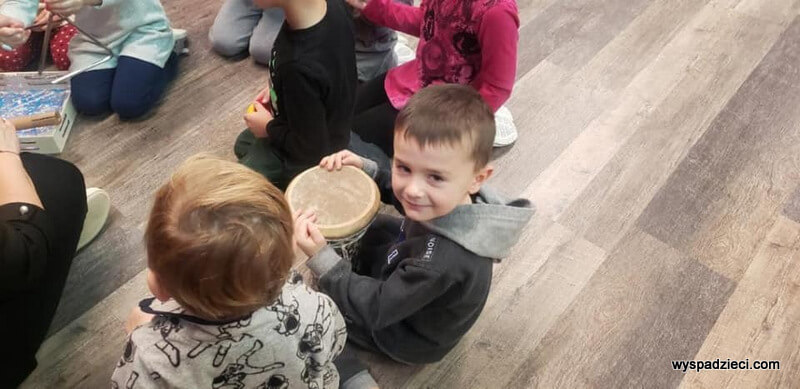
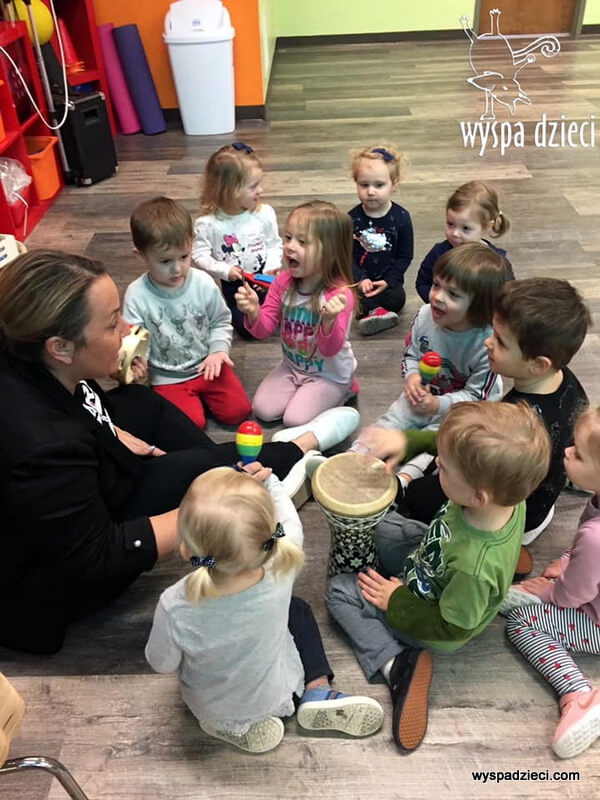
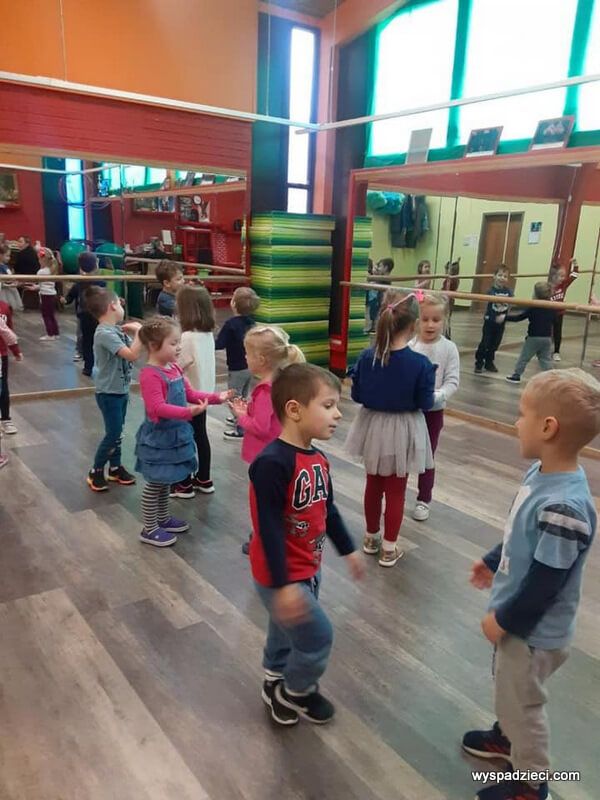
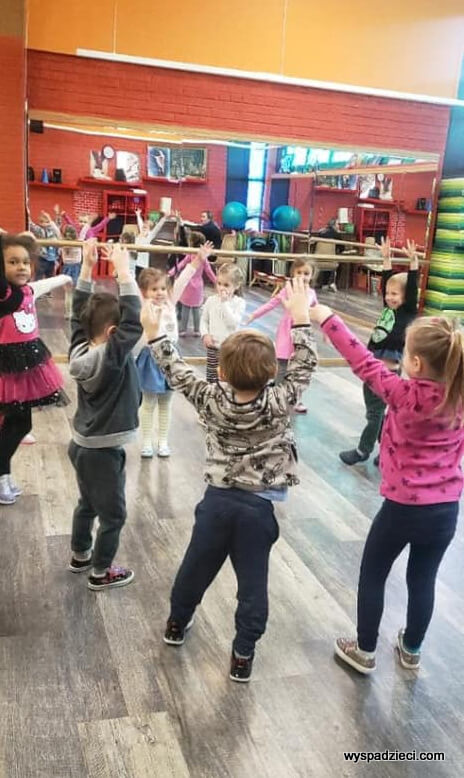
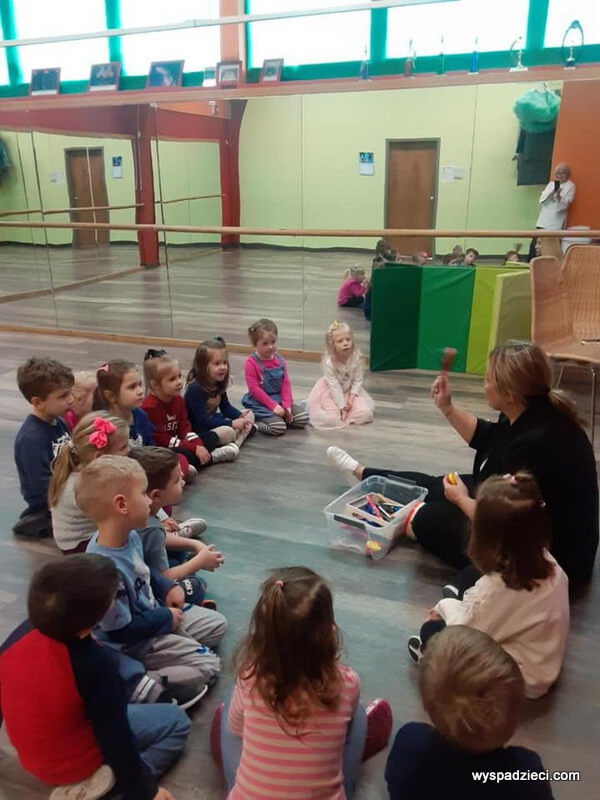
Rhythmic activities are conducted individually within groups during the Preschooler’s Club.
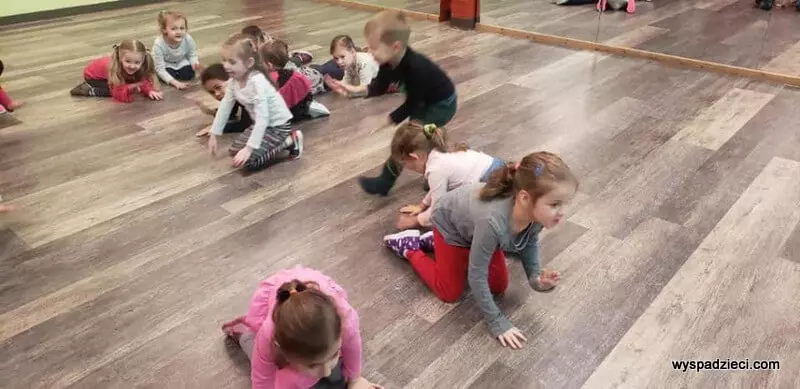
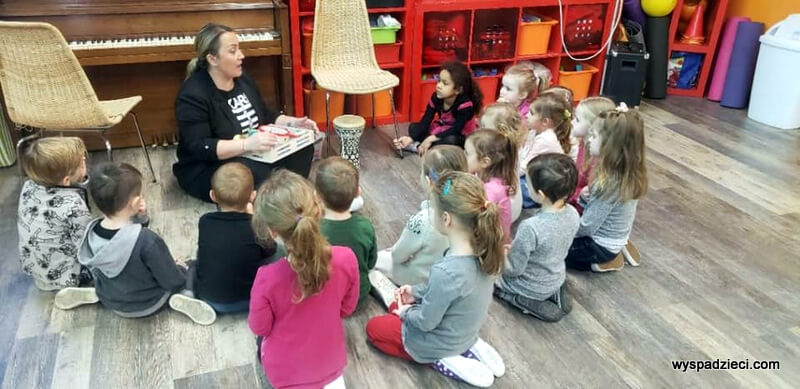
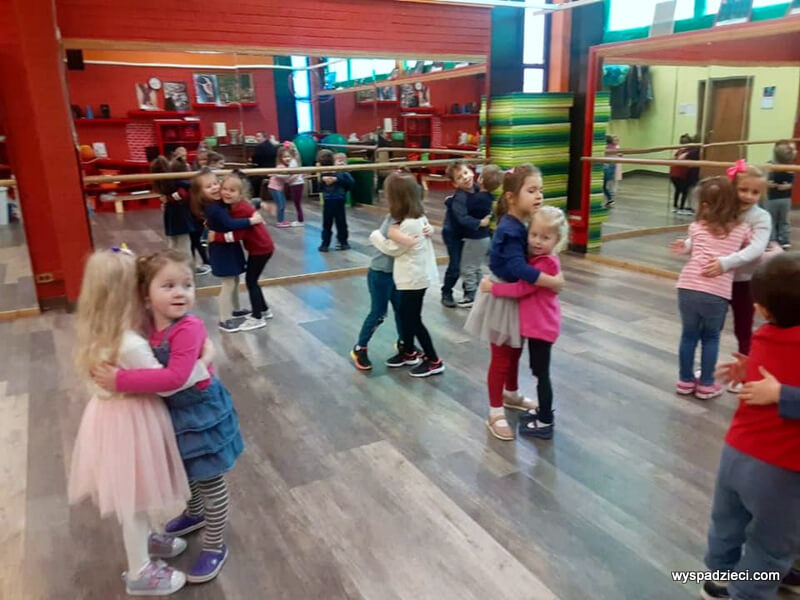
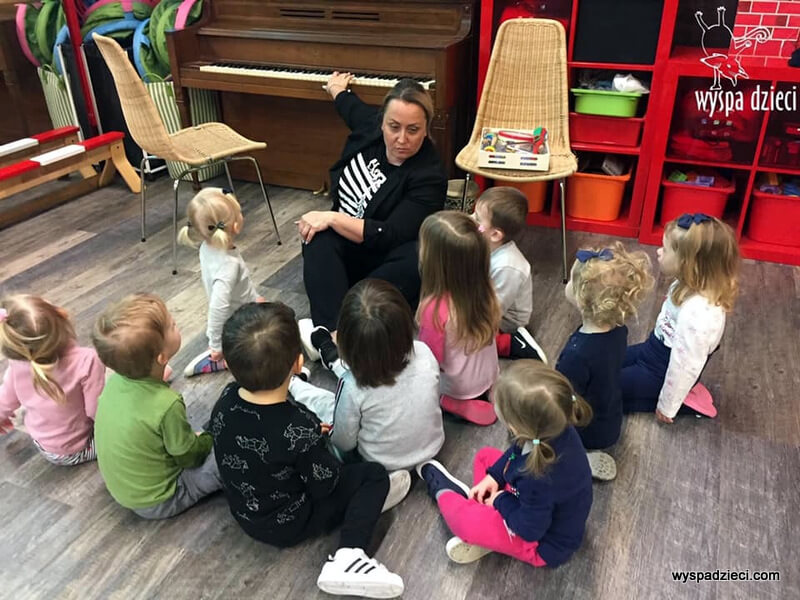
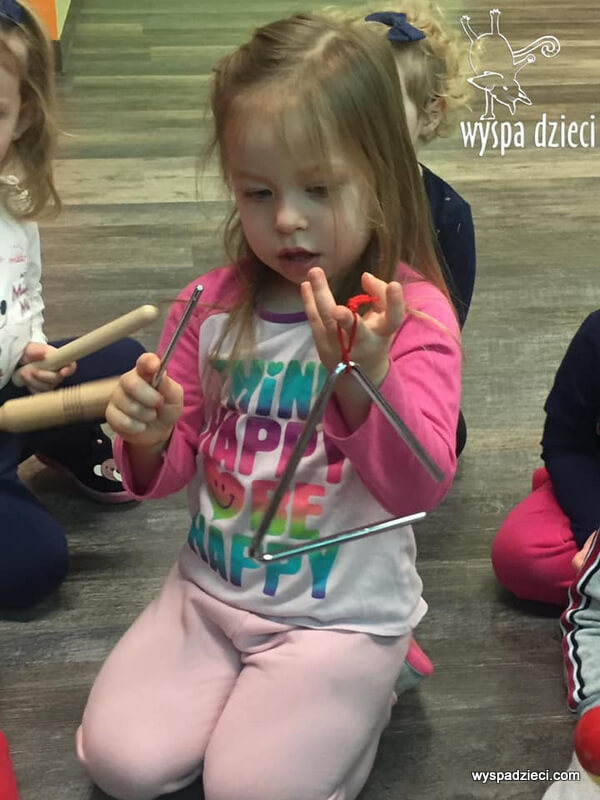
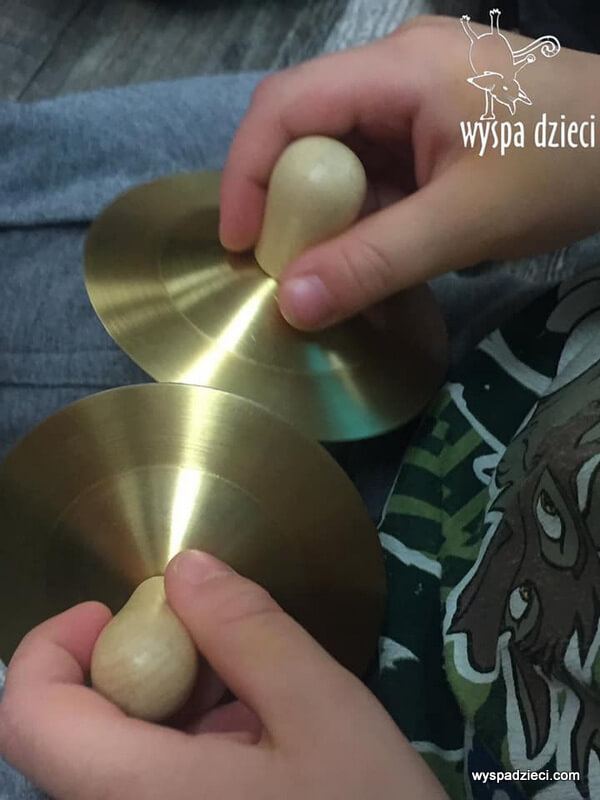
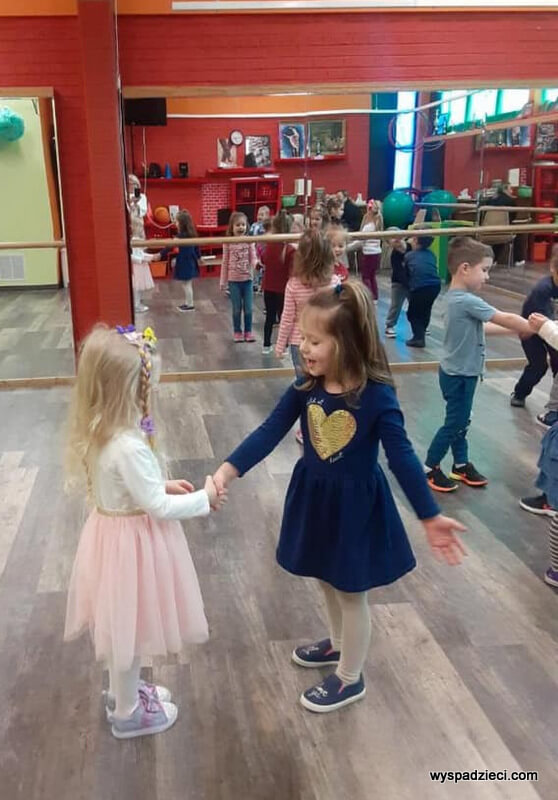
Rhythmic activities are conducted in the form of games and physical activities. They begin with welcoming the children. The next element is a “warm-up.” Children move around the room to musical accompaniment. The next stage involves stop-and-go games, designed to develop children’s sensitivity to, among other things, pauses in music, quiet and loud sounds, and sad and cheerful melodies. An important element is also exercising the vocal apparatus. During the activities, children also learn songs and get acquainted with instruments.
The left hemisphere of the brain specializes in language functions and verbal processes, such as speech expression and comprehension, reading, writing, and counting. The right hemisphere, on the other hand, is used in tasks requiring the analysis of visuospatial features, related to spatial orientation, recognizing complex shapes and geometric figures, faces, as well as the perception of music and musical sounds. Although the right hemisphere is responsible for recognizing melodies, we recognize rhythm thanks to the activity of the left hemisphere. Therefore, by playing an instrument or engaging in other musical activities, we influence the development and coordination of both hemispheres. As a result, musical education positively influences both language development and the acquisition of STEM subjects.
So, nothing more to add….