About the Branch | Algonquin

This page is also available in Polski

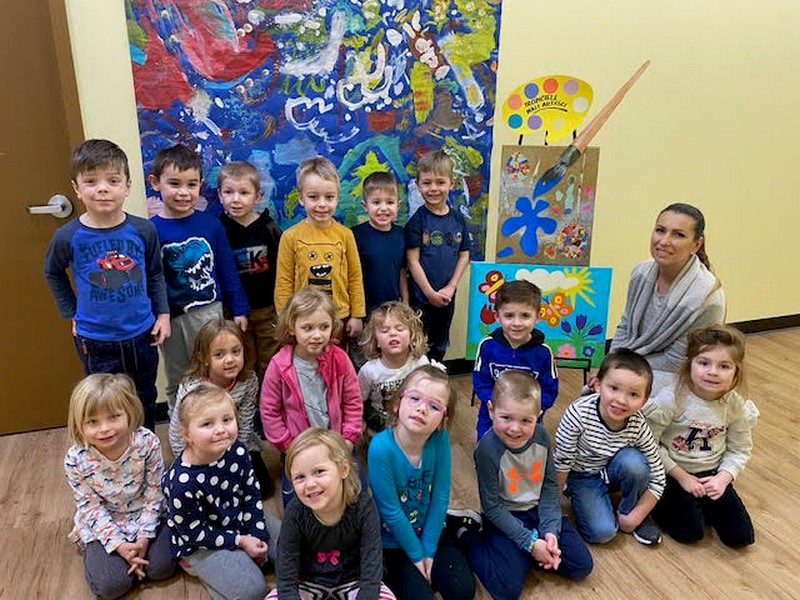
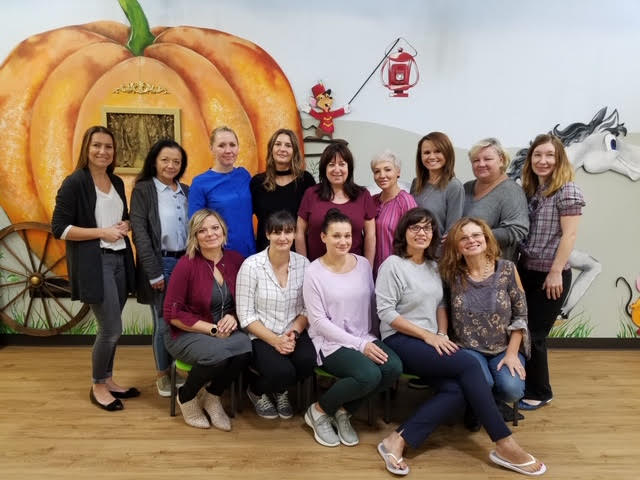
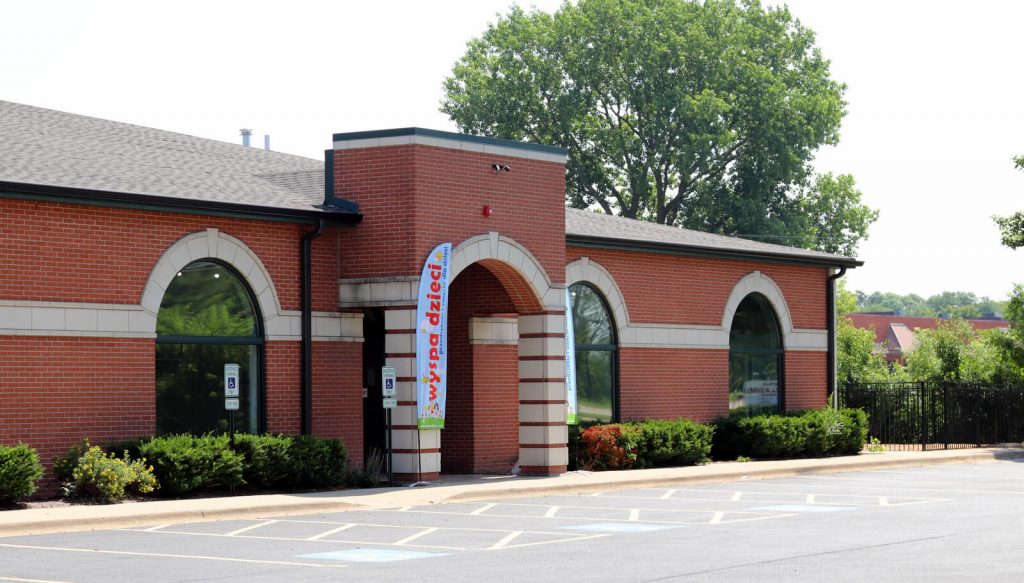
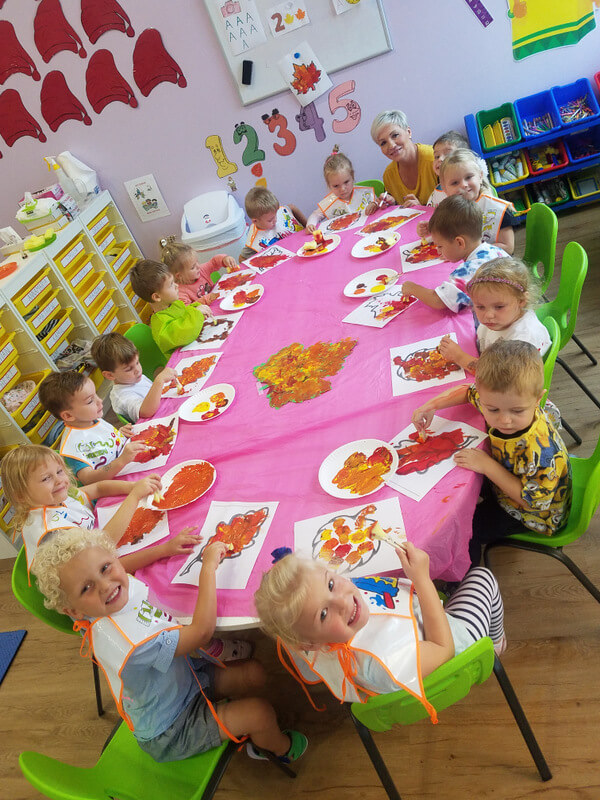
Welcome to the youngest, yet dynamically operating, Wyspa Dzieci (Children’s Island) location in Algonquin, established in 2018. Here, in a friendly atmosphere, under the care of highly qualified and experienced educators, children can freely develop their talents and skills, learning to function not only within their age group but also in the broader school community. We ensure that our charges feel safe, gradually and in a friendly environment become accustomed to the world, and also get to know themselves and begin to understand their own emotions and feelings.

“The human brain develops 95% by the age of five, which is why we realize how important our role is in the development of the youngest children,” explains Małgorzata Karpiński, the facility director.

Intercultural Understanding

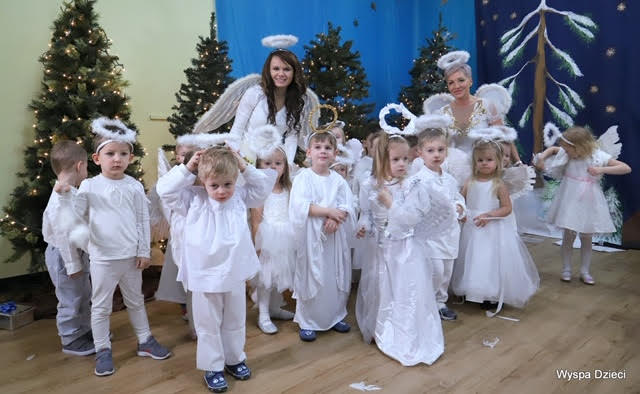
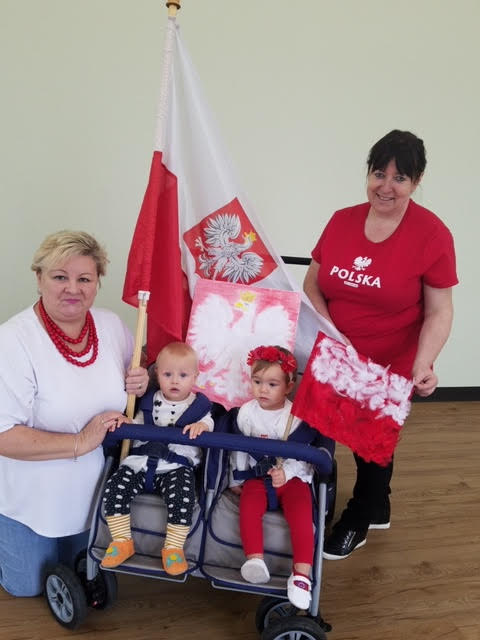
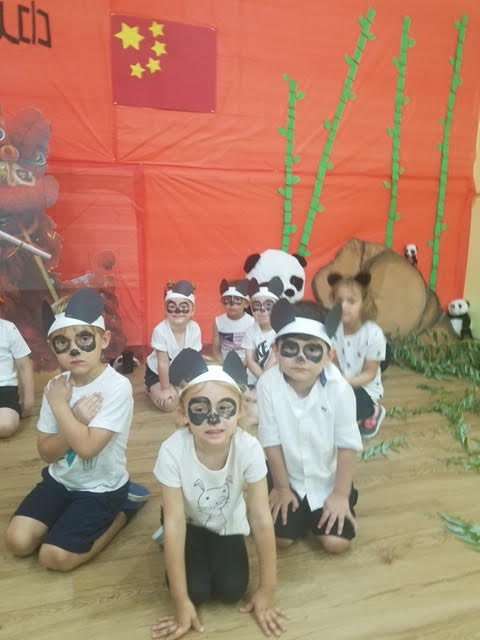
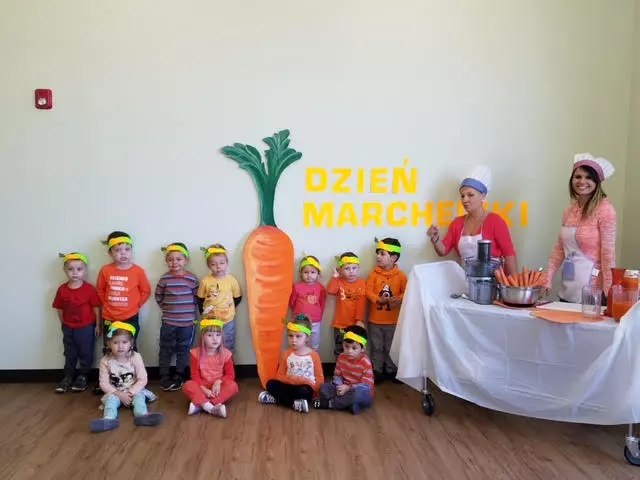
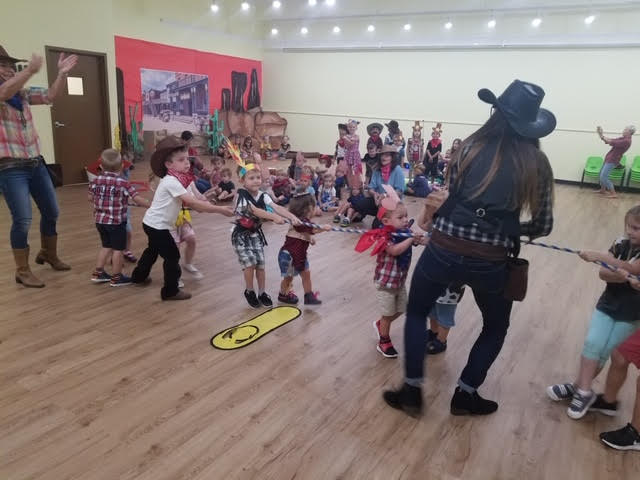
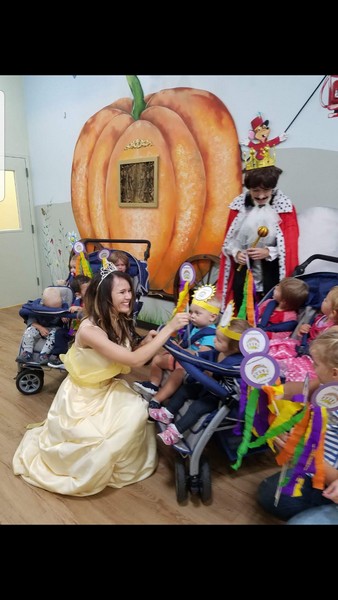
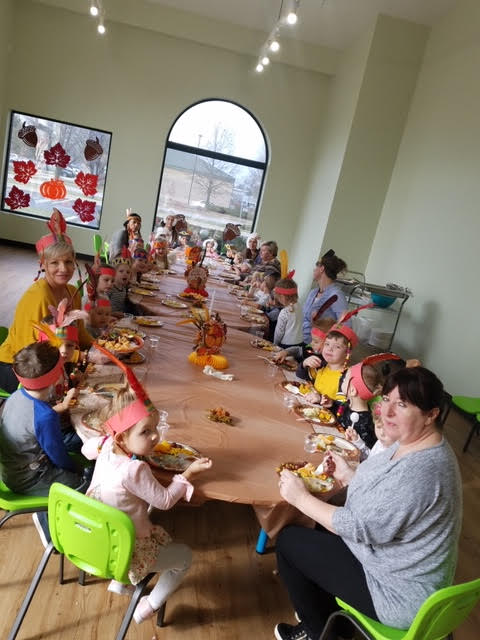
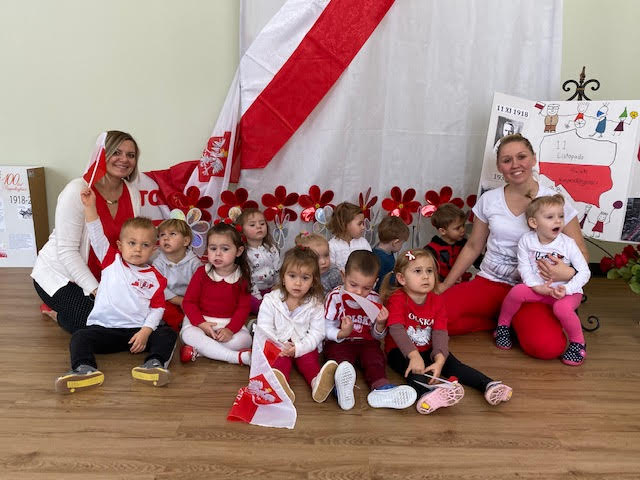
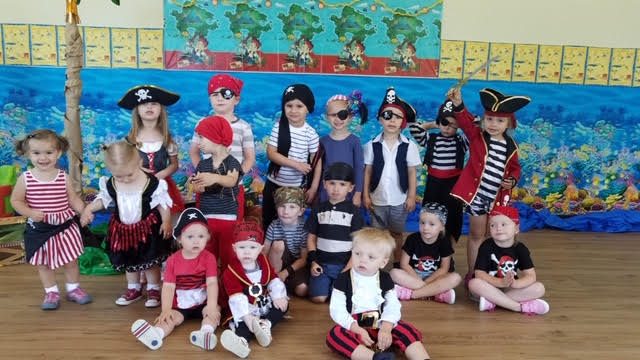
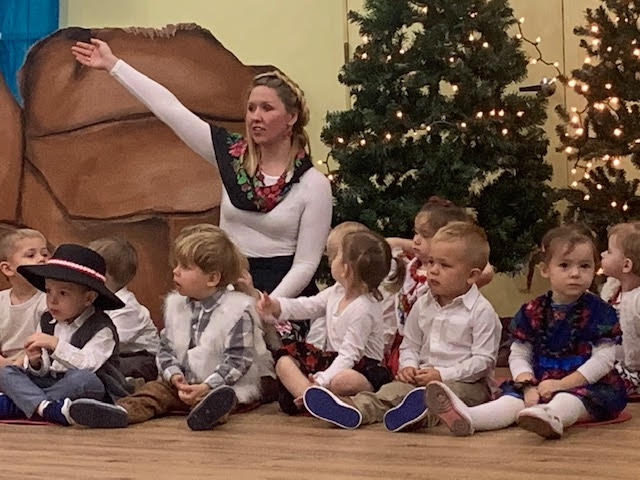
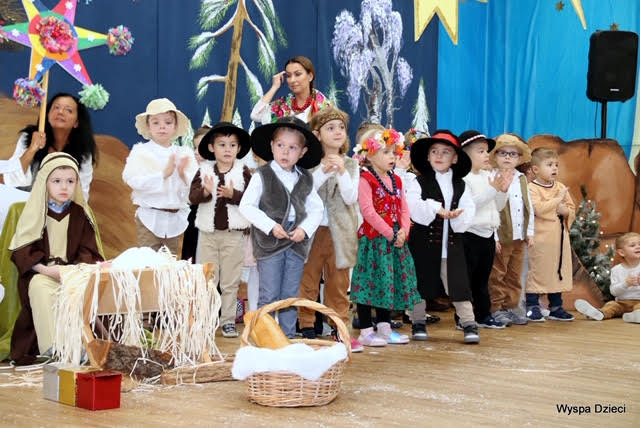
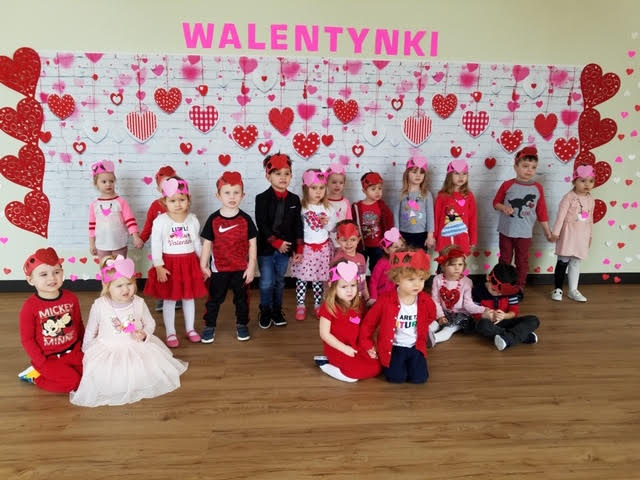
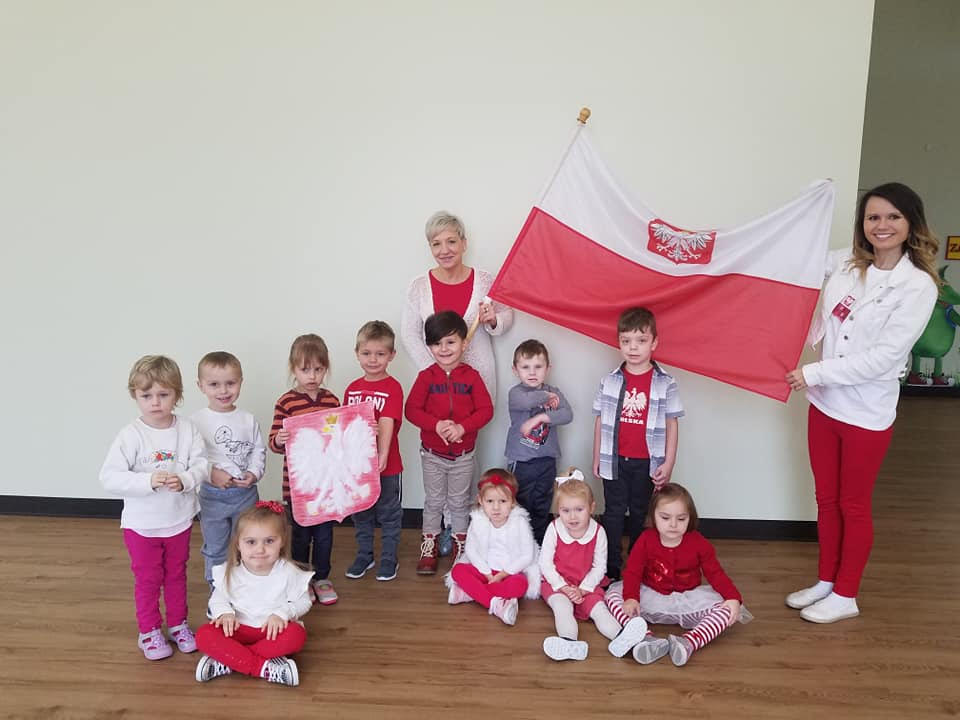
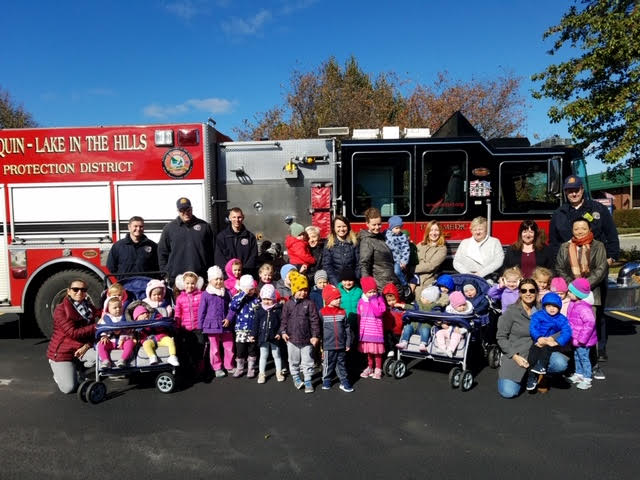
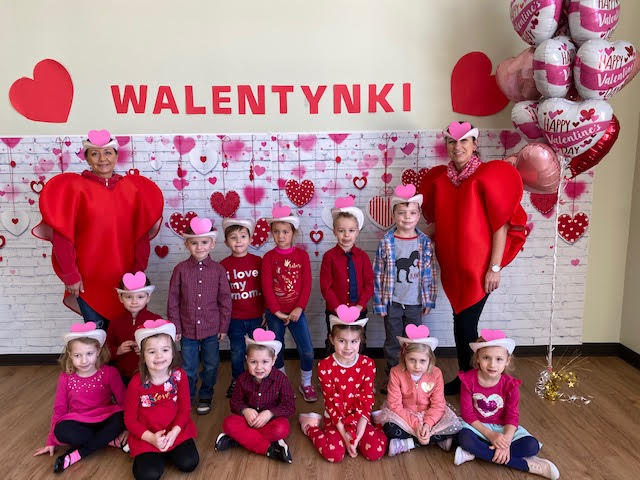
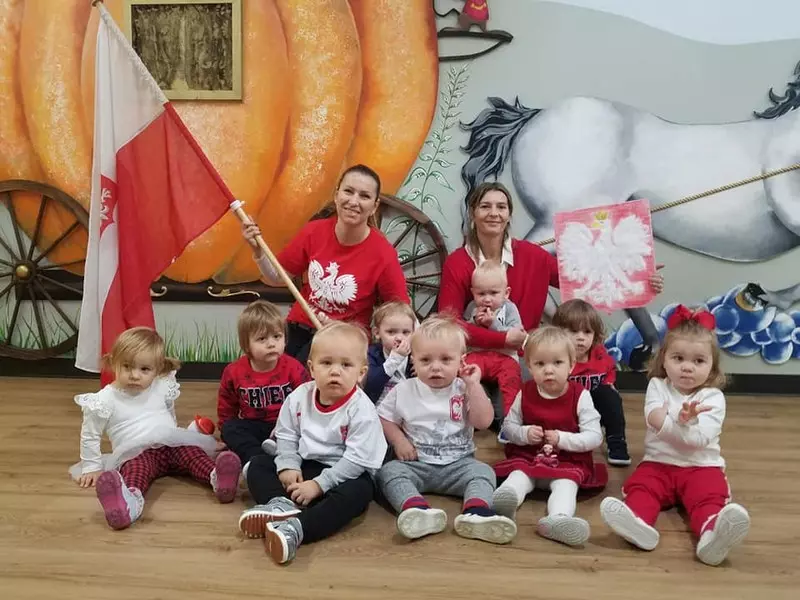
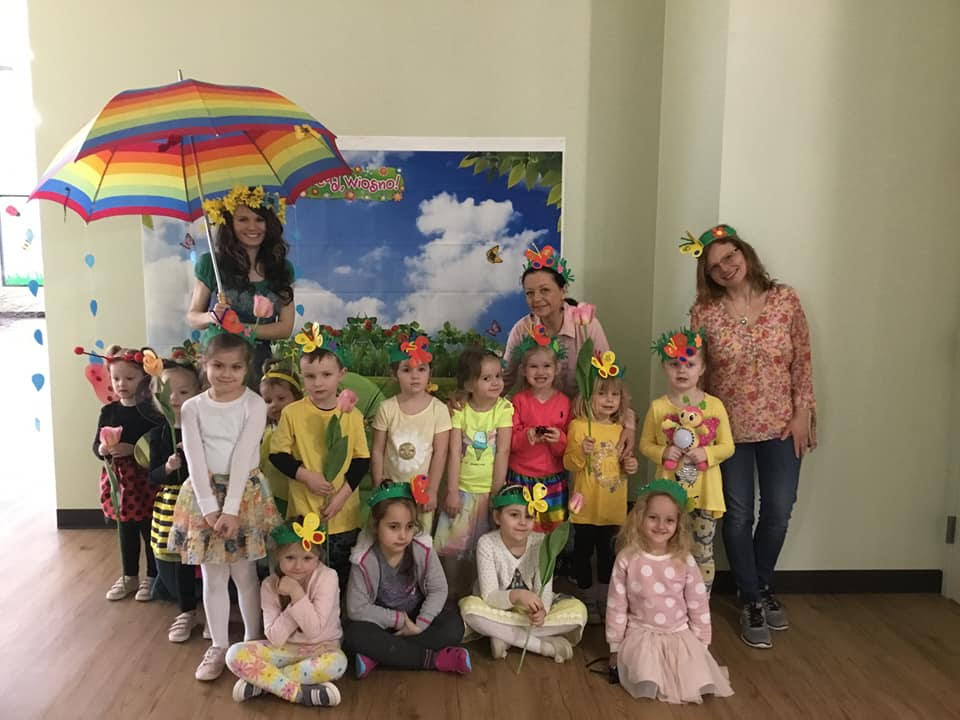
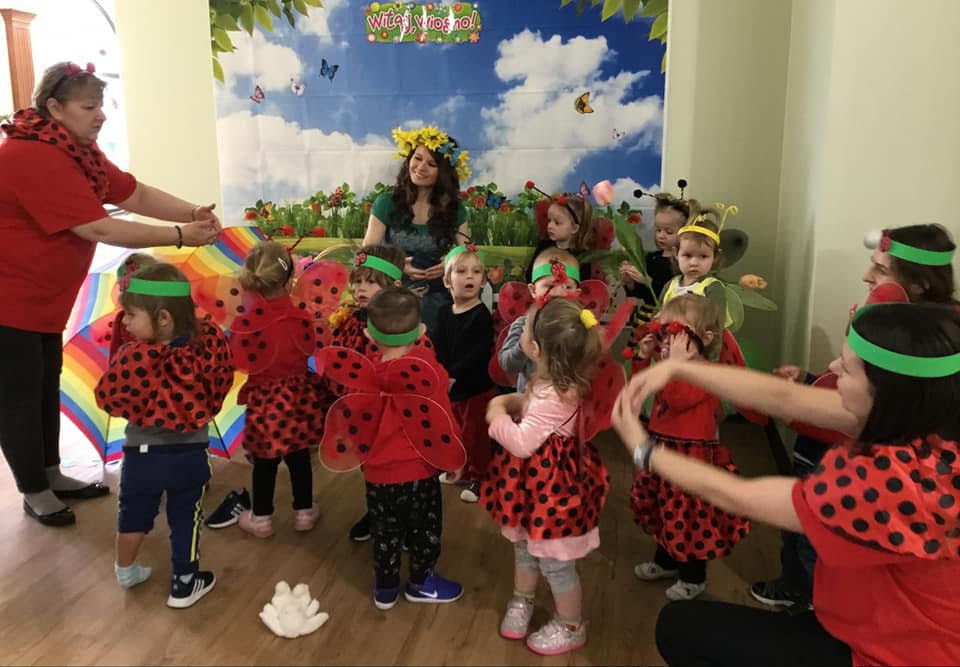
Thanks to our school, Polish-American parents from further Chicago suburbs have the opportunity to enable their children to have contact with the living Polish language, while also fostering intercultural understanding. We celebrate Polish and American holidays and traditions. We organize many thematic events and celebrations. Classes for younger groups are conducted in Polish, while older students (PreK and K) can participate in English-language classes and develop their skills under the guidance of bilingual teachers.

Perhaps in the near future, a class for English-speaking three-year-olds will be established; we are open to the needs of students and their families.

Rich Daily Schedule

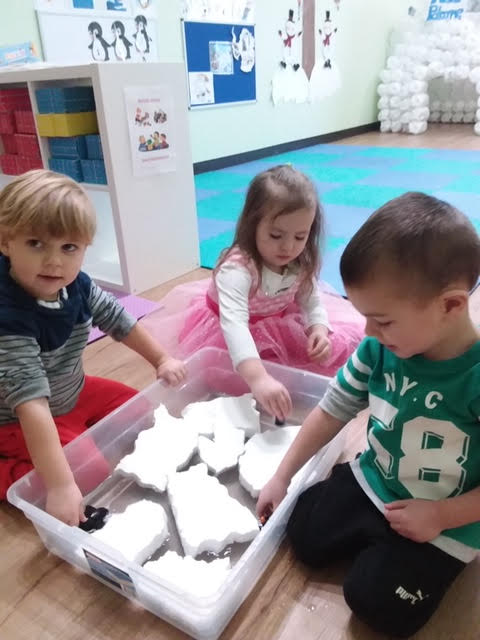
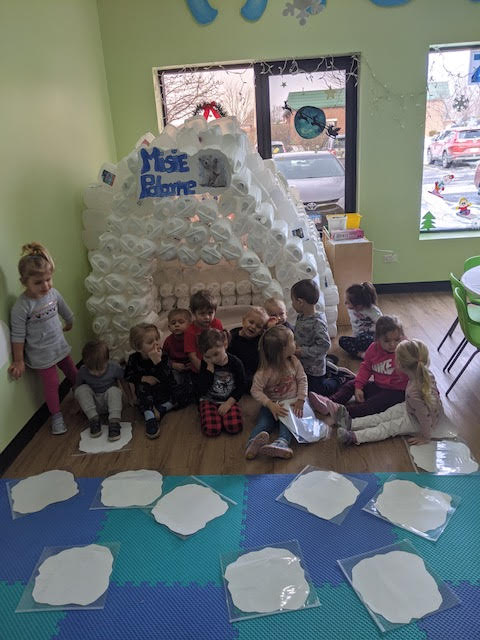
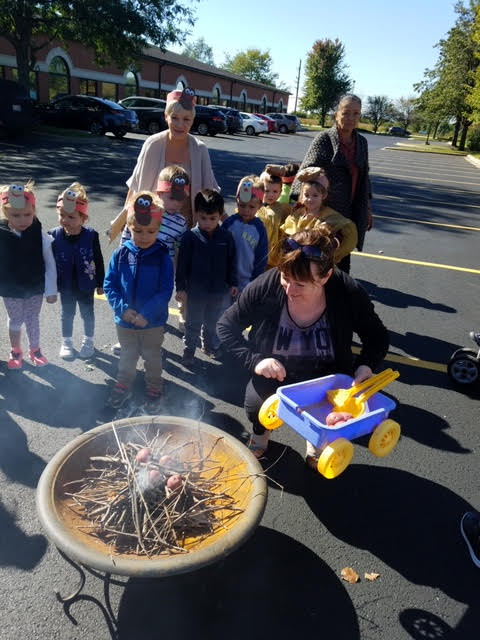
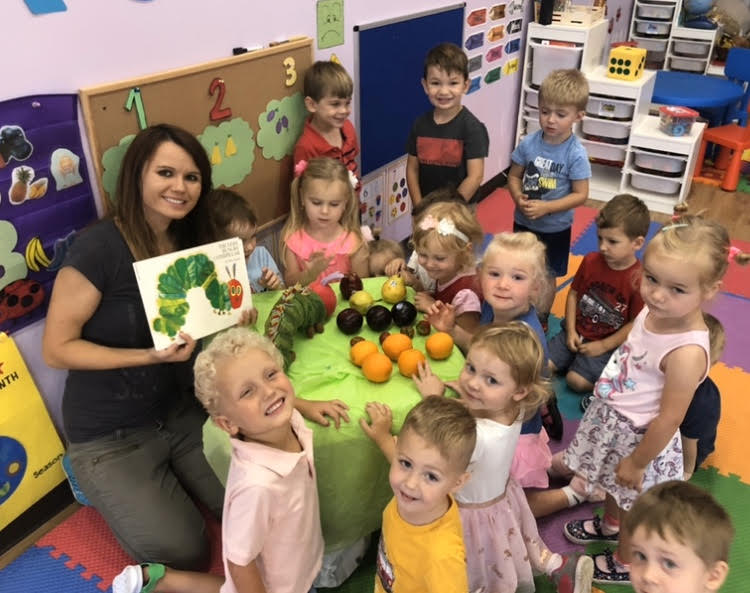
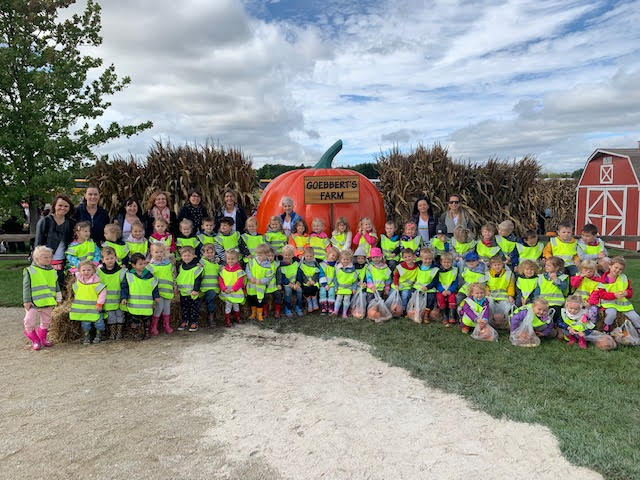
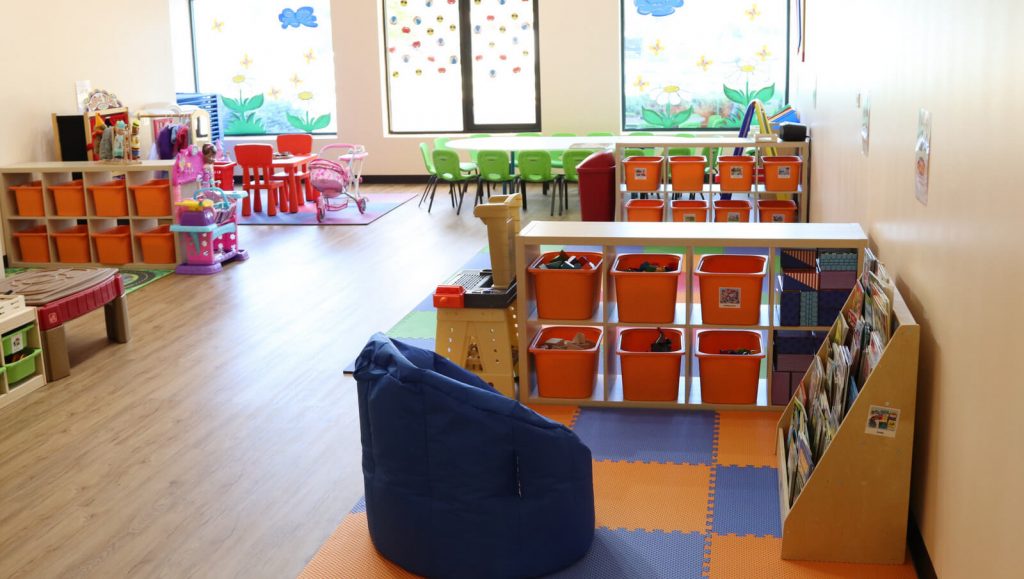
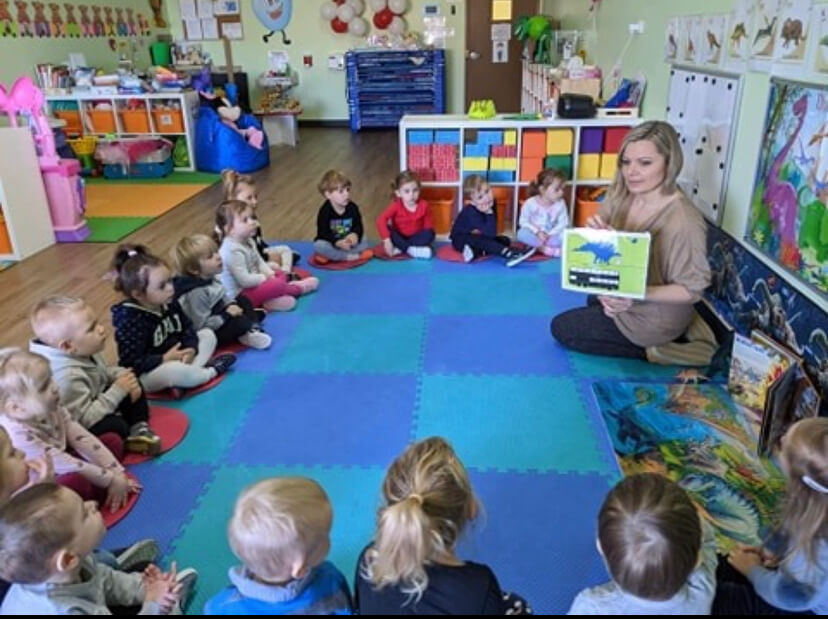
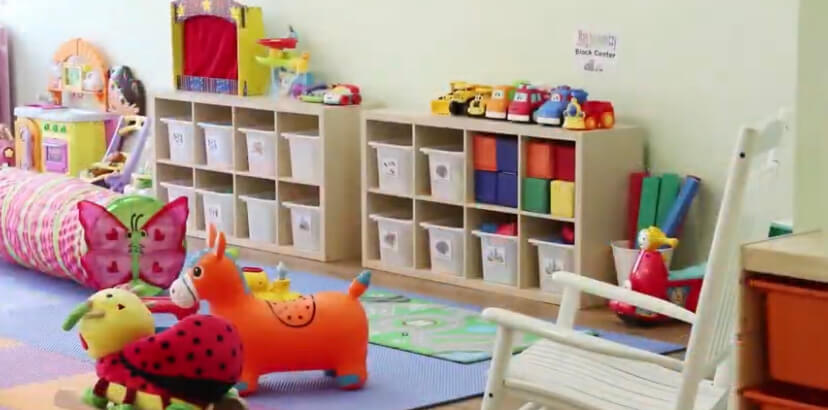
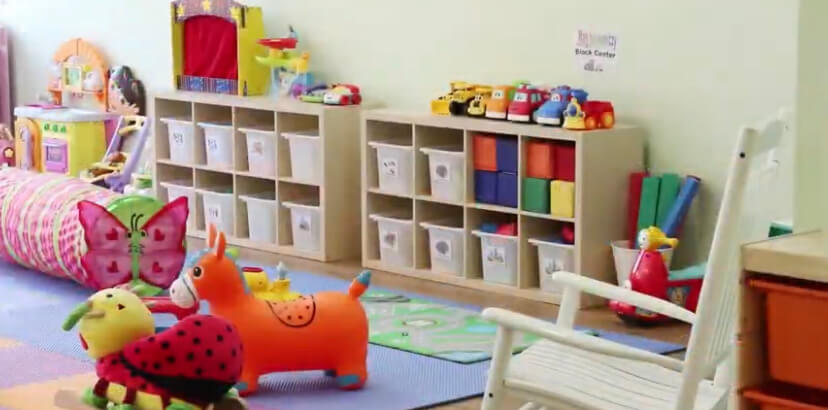
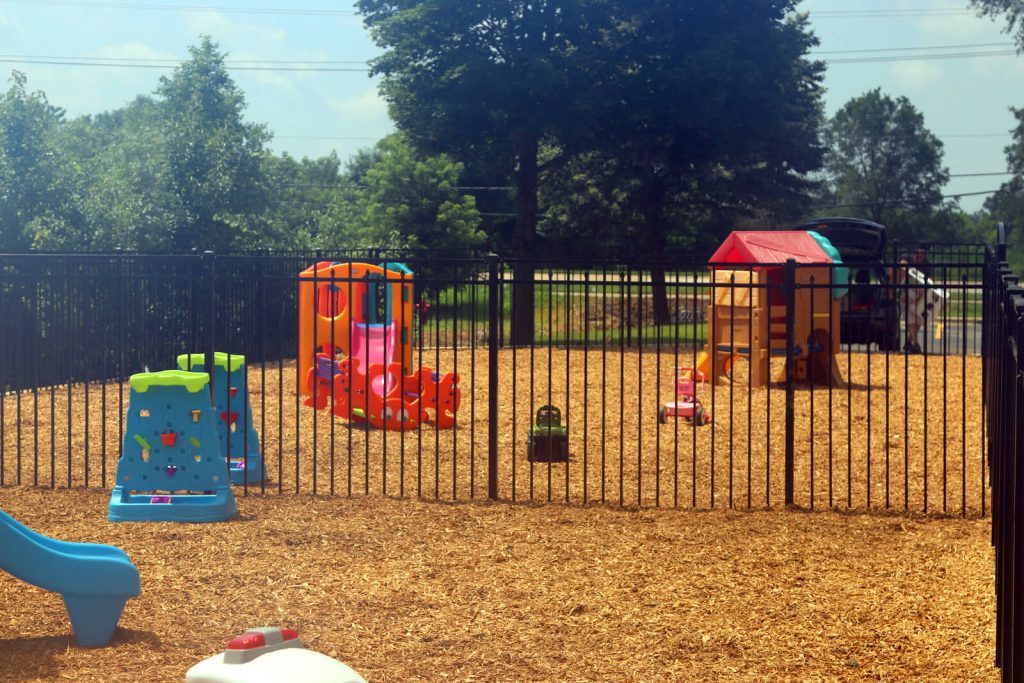
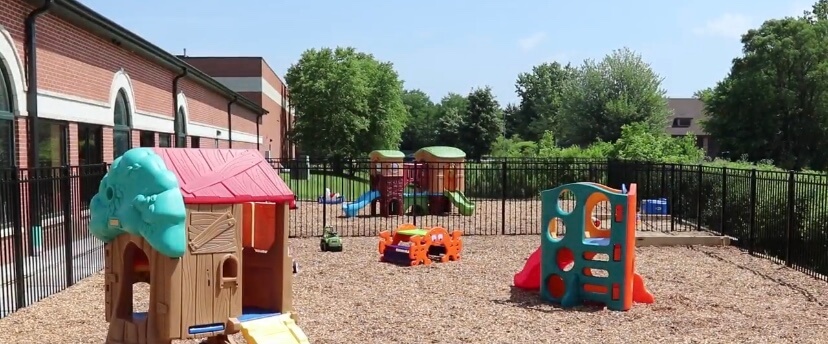
The curriculum includes Polish (and/or English), mathematics, culture, elements of music, rhythmics, and art, as well as physical activity. We have a fully equipped gym, two playgrounds, and large, colorful classrooms. We often go for walks, create projects, and simply have fun together. We read books to children every day. We want Wyspa Dzieci to become their second home. We offer dance lessons, seasonal family photo sessions, class trips, and summer camps.

A day at Wyspa Dzieci lasts from 7 AM to 6 PM, with the educational program for preschoolers, PreK, and kindergarten running between 9:30 AM and 2:30 PM. All “residents” can count on homemade meals, prepared daily in the on-site kitchen. The youngest “residents” are just six weeks old, while the oldest have completed six years.
Groups

“Three things are left from paradise: stars, flowers, and a child’s eyes” – Dante

Sunshines can always count on the care of a qualified caregiver and an experienced educator who works closely with parents, knows the habits and needs of their charges. They will also receive warmth, security, walks, and play that stimulates the overall development of the little human.

“Teach me the art of small steps” – Antoine de Saint-Exupery

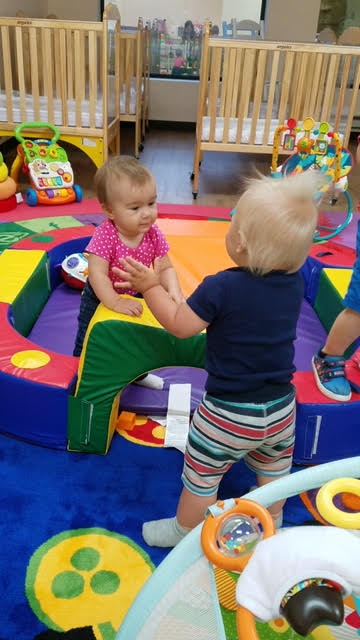
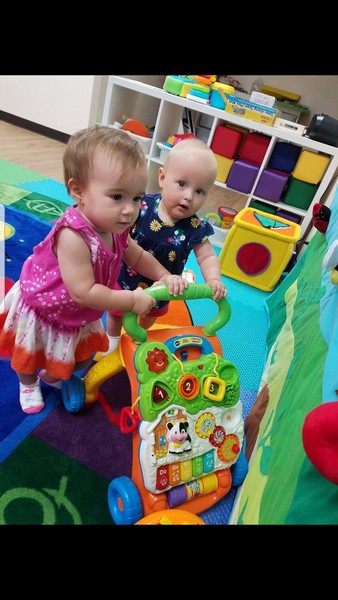
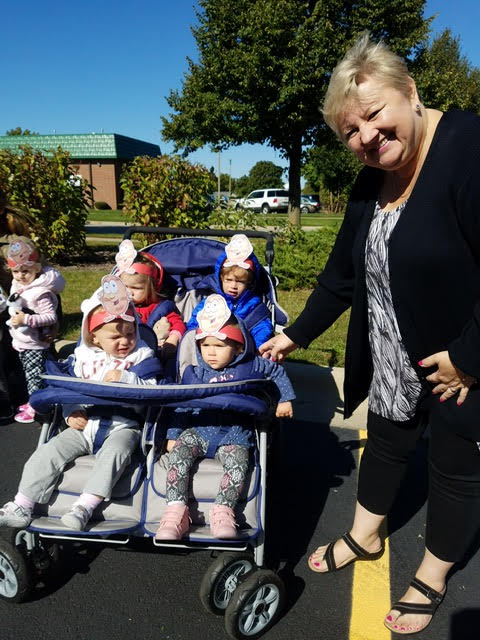
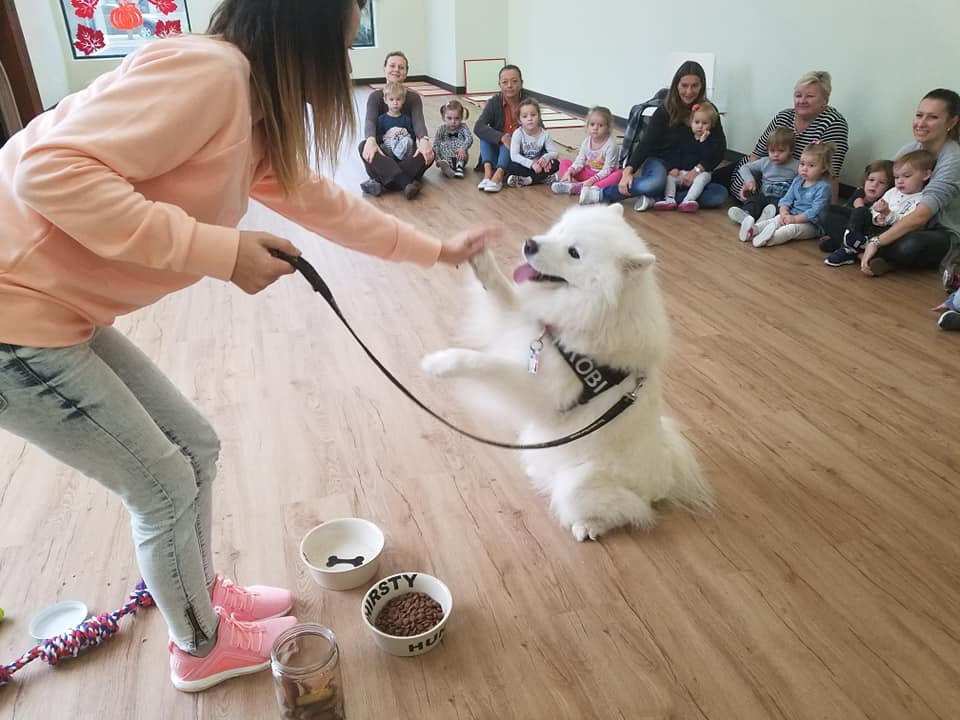
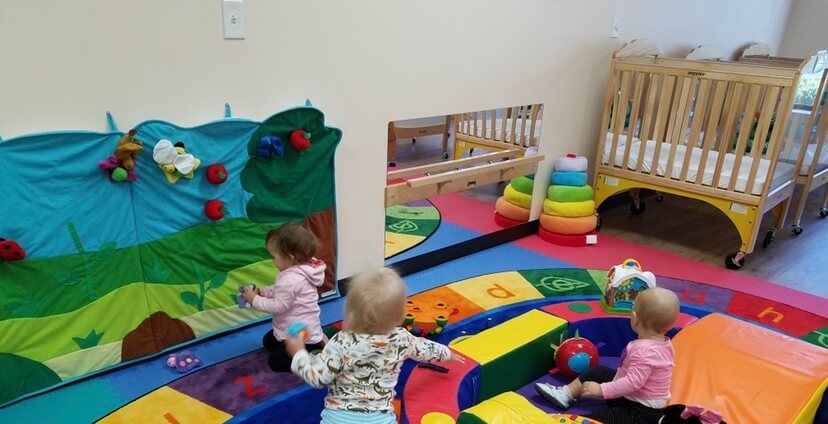
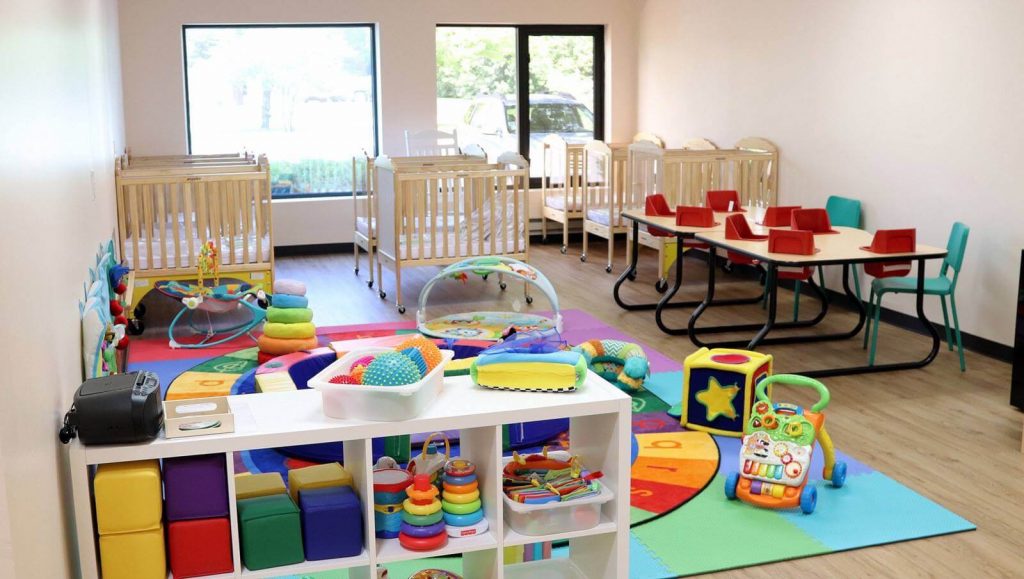
For many Bubbles, their stay at our facility is their first time spent away from their parents, which is why their teachers do everything to make these hours special. The little ones dance, clap to the rhythm of music, go for walks, and have a great time, which wonderfully stimulates their comprehensive development. Even babies a few months old love the company of other children, so although Bubbles cannot truly play with peers yet, they have the opportunity to observe and enjoy the company of friends. A specially prepared room full of toys appropriate for this age group and professional care make Wyspa Dzieci their second home.

“A child is love made visible” – Novalis

Raising two-year-olds is a real challenge for parents and educators, requiring immense warmth and patience. The Bears slowly begin to get used to the school schedule: they line up in pairs, sit on the mat, and participate in creative games organized by their teachers. Stimulating proper speech development and learning through play are part of the “island’s” curriculum. It is important for children to learn independence and proper relationships with their environment and peers.
“The wisdom of a child is trust” – Jan Twardowski

Tigers are our newest group. Two-year-olds slowly begin to get used to the daily schedule: they line up in pairs, sit on the mat, and participate in creative games organized by their teachers. Stimulating proper speech development and learning through play are part of the “island’s” curriculum. It is important for children to learn independence and proper relationships with their environment and peers.
“Only children know what they are looking for” – Exupery

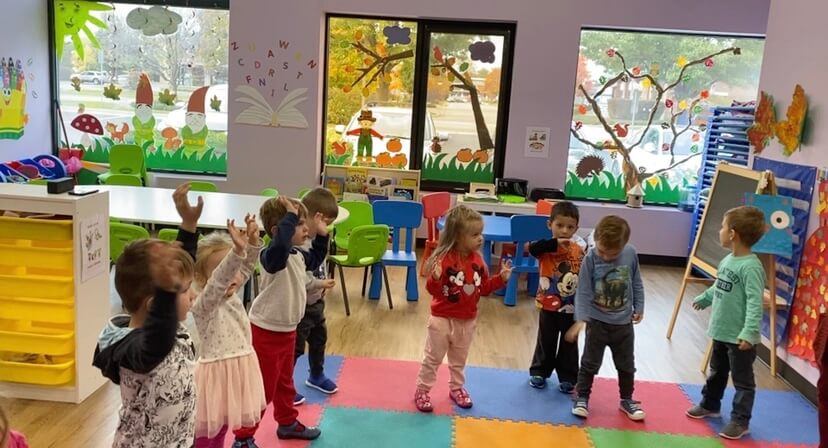
The Gnomes’ teachers pay special attention to building proper relationships and the ability to coexist within a peer group. Three-year-olds begin to play together, listen to engaging lessons, create their first artistic projects, and even try counting and learning letters. They actively participate in school life. They enjoy singing, dancing, and listening to music. They go for walks. Being a member of a group and attempting to communicate with other children is a huge milestone in a three-year-old’s development, with particular emphasis on emotional development.

“Children do not count time, so they have enough of it for thorough observations” – Jakob Bosshart

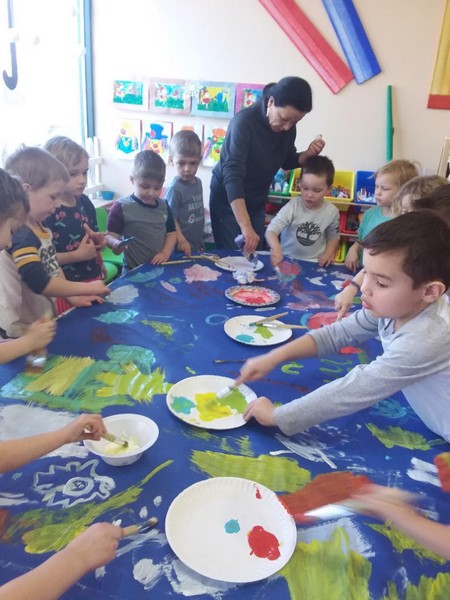
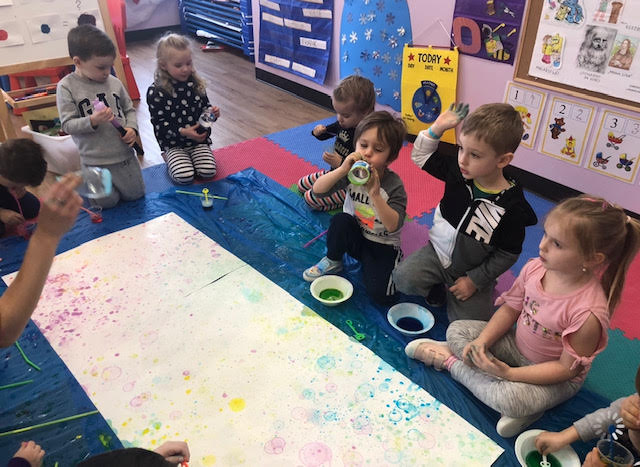
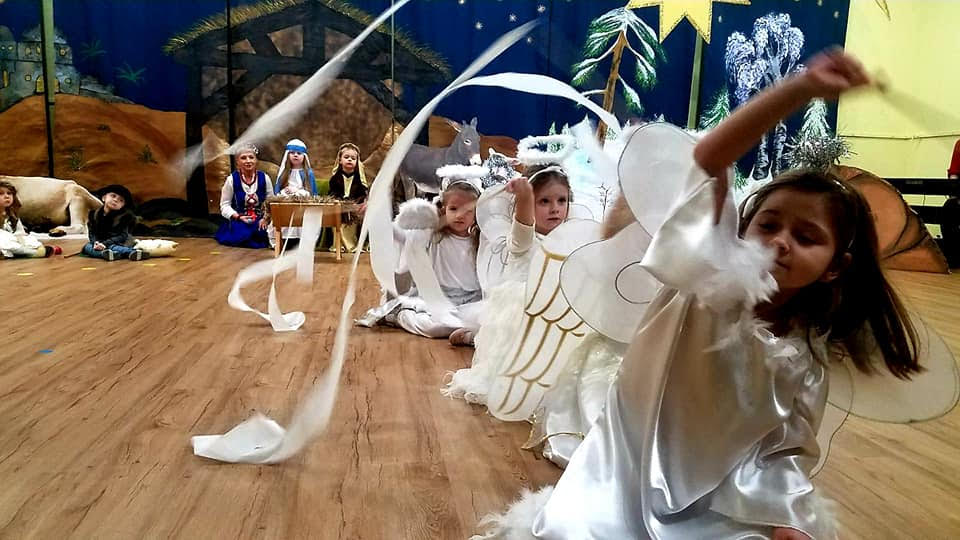
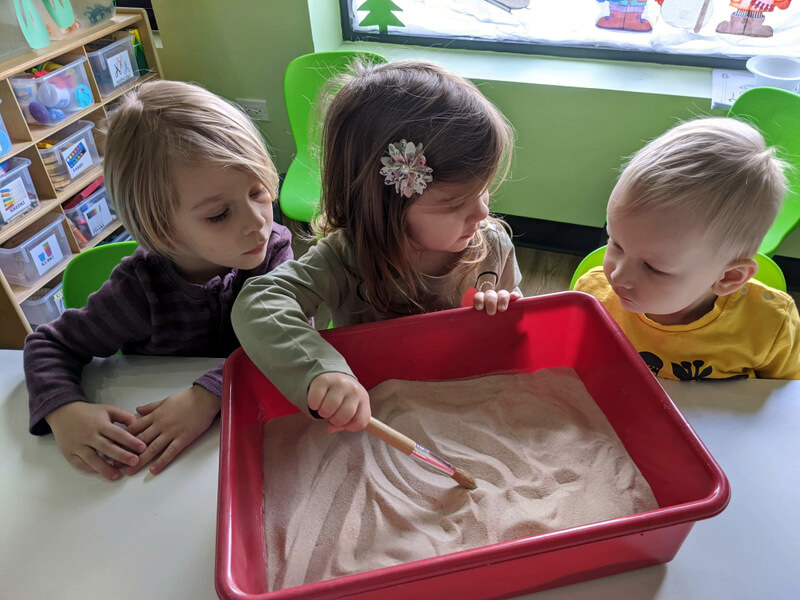
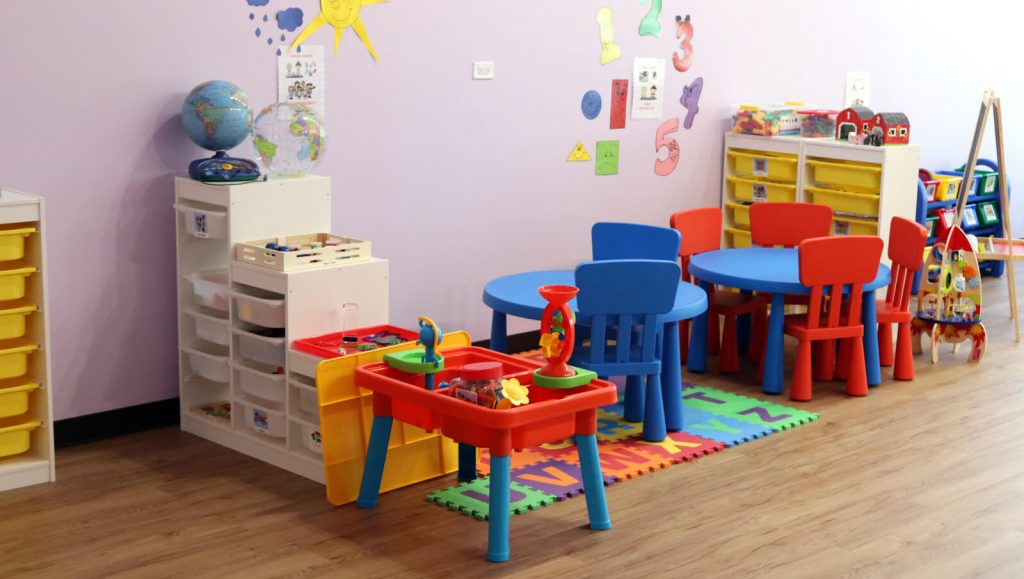
Explorers learn the alphabet – sounds and letters, learn to count, sing songs, and dance, all while having a great time. They carry out various projects. They exercise. They can already focus during mat activities, find their place in a peer group, and this is where their first friendships are formed. Painting, tracing, and cutting are part of their daily routine. They eagerly answer questions and even perform in school plays.

The program is conducted in Polish with elements of English and takes into account American traditions and culture. In teaching Explorers, it is essential to foster maturity and social activity, which will prove to be an indispensable foundation for early school life.

“A child’s work is play. Children learn through everything they do” – Carolyn Hooper

Discoverers are the last stop in preschool education. Classes are conducted in English for pre-K and Kindergarten. The development of a bilingual or multilingual child here also includes elements of Polish and American culture and promotes curiosity about the world and mindfulness in relationships with others. The English alphabet, days of the week, seasons, names of months, counting, rhyming, physical activity, as well as music and art projects are didactic elements of our curriculum. Emotional development is equally important. We help the child better understand the world, themselves, and others. This meeting of one’s own desires with the demands of the environment is one of the most important tasks of the preschool age.